
- 2
- 1
- 1
- 2
Meghalaya
Welcome to Meghalaya — The Abode of Clouds
Meghalaya — meaning ‘The Abode of Clouds’ — is one of Northeast India’s most breathtakingly beautiful and ecologically unique states, a highland paradise of misty plateaus, cascading waterfalls, ancient living root bridges, crystal-clear rivers, and some of the lushest rainforests on earth. Home to Cherrapunji and Mawsynram — two of the wettest places in the world, the charming Scotland of the East in Shillong, the glass-clear waters of the Umngot River at Dawki, and the world-famous living root bridges of the Khasi Hills, Meghalaya captivates every traveller with its raw, untouched natural grandeur. The state is home to three proud indigenous communities — the Khasi, Jaintia, and Garo peoples — each with a rich matrilineal culture, vibrant festivals, and a deep connection to the land. Our Meghalaya tour packages are crafted to help you discover every extraordinary layer of this soul-stirring Northeastern gem.
Top Places to Visit in Meghalaya
- Shillong — The Scotland of the East: The capital of Meghalaya and the cultural heart of Northeast India, Shillong sits at 1,491 metres in the Khasi Hills and is one of India’s most charming and vibrant hill stations. Ward’s Lake, Lady Hydari Park, the bustling Police Bazaar, and the panoramic Shillong Peak at 1,965 metres are unmissable city highlights. The serene Umiam Lake (Barapani) — 15 km from the city — is ideal for boating and water sports. Shillong is also known as India’s rock music capital, with a thriving live music culture unlike anywhere else in the country.
- Cherrapunji (Sohra) — The Land of Waterfalls: One of the wettest places on earth, Cherrapunji is famous for its spectacular waterfalls, dramatic gorges, and the iconic living root bridges. The Nohkalikai Falls — India’s tallest plunge waterfall at 340 metres — is one of India’s most awe-inspiring natural sights. Seven Sisters Falls (Nohsngithiang Falls) — a seven-segmented cascade visible from the Cherrapunji plateau — is one of the widest waterfalls in India. The Mawsmai Cave — a fascinating illuminated limestone cave — and the Eco Park with its panoramic views of the Bangladesh plains are also major attractions.
- Living Root Bridges — Meghalaya’s Greatest Natural Wonder: The living root bridges of the Khasi Hills are one of the most extraordinary examples of bioengineering in the world — bridges grown over centuries by training the aerial roots of ancient rubber fig trees across streams and gorges. The Double Decker Living Root Bridge at Nongriat village near Cherrapunji — reachable via a 3,500-step trek through dense rainforest — is Meghalaya’s most iconic and photographed landmark. These bridges are self-strengthening, last for hundreds of years, and are recognised internationally as a UNESCO Tentative World Heritage Site.
- Dawki — The Crystal River at the Bangladesh Border: Located on the India-Bangladesh border, Dawki is home to the Umngot River — one of the clearest rivers in the world. The river is so extraordinarily transparent that boats appear to float in mid-air above the visible riverbed. Boating on the Umngot River is one of India’s most surreal and unique travel experiences. The Dawki Suspension Bridge and the Tamabil border crossing viewpoint into Bangladesh add further appeal to this remarkable destination.
- Mawlynnong — Asia’s Cleanest Village: Awarded the title of Asia’s Cleanest Village in 2003 by Discover India magazine, Mawlynnong in the East Khasi Hills is a pristine, beautifully maintained Khasi village that embodies the community-driven environmental ethic of the Meghalayan people. The village is famous for its flower-lined pathways, bamboo dustbins, and immaculate homes. A sky walk bamboo viewpoint offers sweeping views of the Bangladesh plains below, and a natural living root bridge lies just a short walk from the village centre.
- Mawsynram — The World’s Wettest Place: Located just 65 km from Shillong, Mawsynram holds the Guinness World Record for the highest average annual rainfall on earth — approximately 11,872 mm per year. Despite its extreme rainfall, Mawsynram is a place of hauntingly beautiful misty landscapes and lush green valleys. The Mawjymbuin Cave — containing a naturally formed stalagmite shaped like a Shiva lingam — is the village’s most revered attraction, drawing both pilgrims and adventure travellers.
- Balpakram National Park & Nokrek Biosphere Reserve — Wild Meghalaya: The Garo Hills in western Meghalaya are home to two of Northeast India’s most biodiverse protected areas. Balpakram National Park — known as the ‘Land of Perpetual Winds’ in Garo mythology — sits atop dramatic gorges and is home to tigers, elephants, red pandas, and clouded leopards. Nokrek Biosphere Reserve is a UNESCO-designated biosphere and the last remaining stronghold of the rare red panda in Northeast India.
Best Time to Visit Meghalaya
- October–May (Dry Season — Best Time): The most recommended period to visit Meghalaya — skies are clear, roads are accessible, and the living root bridge treks, Dawki boating, and Shillong sightseeing are all at their best. November to February is cool and pleasant with temperatures between 5°C and 20°C. The Wangala Festival (Garo harvest festival in November) and the Shad Suk Mynsiem (Khasi spring dance festival in April) are spectacular cultural events worth planning your visit around.
- June–September (Monsoon — Waterfall Season): Meghalaya receives some of the heaviest rainfall in the world during the monsoon — Cherrapunji and Mawsynram are at their most dramatically beautiful with Nohkalikai Falls, Seven Sisters Falls, and hundreds of seasonal cascades thundering at full force. Road conditions can be challenging and the living root bridge trek to Nongriat becomes strenuous due to slippery steps. Best suited for experienced travellers and waterfall enthusiasts who embrace the monsoon experience.
- March–May (Spring): A beautiful transitional season — the Khasi and Jaintia hills bloom with wild orchids and rhododendrons, and the weather is warm before the monsoon onset. Dawki River is still crystal-clear and ideal for boating in spring. The Shad Suk Mynsiem festival in April — Meghalaya’s most joyful and colourful traditional celebration — is a highlight of the spring calendar and a wonderful time for cultural tourism in the Khasi Hills.
How to Reach Meghalaya
- By Air: The most convenient and well-connected gateway by air is Lokpriya Gopinath Bordoloi International Airport in Guwahati, Assam — approximately 100 km from Shillong (2.5–3 hours by road) — with direct flights from Delhi, Mumbai, Kolkata, Chennai, Bangalore, and Hyderabad. Shillong Airport (Umroi Airport) is 35 km from the city centre and has limited scheduled flights from Kolkata. Shared taxis and private cabs from Guwahati Airport to Shillong are readily available and the most popular arrival option.
- By Train: Meghalaya does not currently have a railway line within the state. The nearest major railhead is Guwahati Railway Station in Assam — well-connected to Delhi, Kolkata, Mumbai, Chennai, and all major Indian cities via express and superfast trains. From Guwahati, travellers reach Shillong by road in approximately 2.5 to 3 hours via NH 6. Shared sumo taxis and MSTC buses operate regular services between Guwahati and Shillong.
- By Road: Shillong is 100 km from Guwahati and well-connected by NH 6. State-run MSTC buses and private taxis operate between Guwahati, Shillong, Cherrapunji, Dawki, and Tura in the Garo Hills. For exploring remote areas like Dawki, Mawlynnong, Nongriat, and the Garo Hills, hiring a private cab or self-drive vehicle is strongly recommended as public transport to these destinations is limited and infrequent.
Browse our Meghalaya tour packages — covering Shillong and Cherrapunji sightseeing packages, living root bridge trek tours, Dawki and Mawlynnong day trips, Northeast India multi-state holiday packages, Garo Hills wildlife and adventure tours, and custom monsoon waterfall photography expeditions — all crafted for a seamless, safe, and deeply memorable journey through India’s most mystical and lush Northeastern state.
Featured
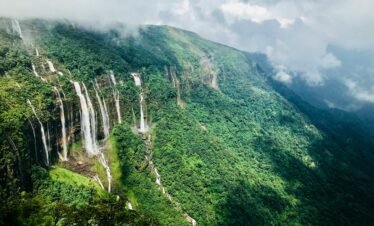
Kaziranga Meghalaya tour – 5 nights, 6 days of rhino safaris, living root bridges & Seven Sisters Waterfall. Book your Northeast India adventure today!
Duration
6 Days
₹34,199
Next Departures
July 29, 2026 (Available)July 30, 2026 (Available)July 31, 2026 (Available)
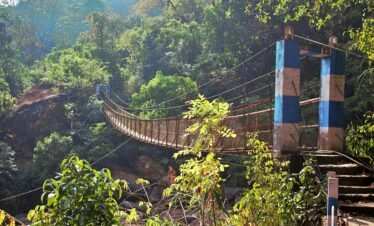
Kaziranga Meghalaya tour — 7 nights across rhino country, living root bridges & waterfalls. Book this Northeast India package from ₹33,499/person.
Duration
8 Days
₹44,999
Next Departures
July 29, 2026 (Available)July 30, 2026 (Available)July 31, 2026 (Available)