
- 2
- 1
- 1
- 2
Uttar Pradesh
Welcome to Uttar Pradesh — India’s Spiritual & Cultural Heartland
Uttar Pradesh is India’s most historically and spiritually significant state — a vast land stretching along the sacred Ganga and Yamuna rivers where myth, faith, and living heritage intersect at every destination. Home to the Taj Mahal — one of the Seven Wonders of the World, the ancient ghats of Varanasi, the birthplace of Lord Ram in Ayodhya, and the Krishna temples of Mathura-Vrindavan, Uttar Pradesh is a destination that resonates with every kind of traveller — history lovers, pilgrims, culture seekers, and heritage explorers alike. The state is also home to Prayagraj — the site of the Kumbh Mela, the world’s largest human gathering, and the magnificent Golden Triangle cities of Agra and Fatehpur Sikri. With three UNESCO World Heritage Sites, some of India’s most sacred rivers, and a living cultural tapestry woven over thousands of years, Uttar Pradesh offers a depth of experience that few destinations on earth can match. Our Uttar Pradesh tour packages are crafted to help you experience the depth and diversity of this extraordinary state with comfort and ease.
Top Places to Visit in Uttar Pradesh
- Agra — The Taj Mahal & Mughal Grandeur: Home to three UNESCO World Heritage Sites — the iconic Taj Mahal, the magnificent Agra Fort, and the abandoned city of Fatehpur Sikri — Agra is an essential stop on any Golden Triangle itinerary and one of India’s most visited destinations. The Taj Mahal, built by Mughal Emperor Shah Jahan in memory of his beloved wife Mumtaz Mahal, is universally regarded as the greatest monument to love ever built and draws over six million visitors a year.
- Varanasi — The Eternal City: One of the world’s oldest continuously inhabited cities, Varanasi sits on the western bank of the sacred Ganga and is the spiritual heart of Hinduism. The Dashashwamedh Ghat Aarti at sunset — a spectacular ritual of fire, incense, and chanting performed nightly by priests on the riverfront — is one of India’s most mesmerising experiences. A boat ride at sunrise past the ancient ghats, and a visit to the Kashi Vishwanath Jyotirlinga Temple are equally unmissable.
- Ayodhya — Birthplace of Lord Ram: A city of immense religious significance for Hindus worldwide, Ayodhya has been transformed by the completion of the Ram Mandir — one of the largest Hindu temples in India. A holy dip at Ram Ki Paidi ghat on the Sarayu River, a visit to the Hanuman Garhi temple, and exploration of the many ghats and shrines lining the riverbank make Ayodhya a deeply moving pilgrimage and heritage destination drawing millions of devotees every year.
- Mathura & Vrindavan — Land of Lord Krishna: The birthplace of Lord Krishna and the playground of his youth, Mathura and Vrindavan together form one of India’s most beloved pilgrimage circuits. The Banke Bihari Temple, ISKCON Vrindavan, and the Prem Mandir are among the most visited shrines. The Holi celebrations in Mathura and Vrindavan — particularly the Lathmar Holi at Barsana and Nandgaon — are among the most vibrant and world-famous festival experiences in India.
- Prayagraj — The Sangam City: The sacred confluence of the Ganga, Yamuna, and the mythical Saraswati — known as Triveni Sangam — Prayagraj is one of Hinduism’s holiest cities. It hosts the Kumbh Mela — the world’s largest human gathering, drawing over 120 million pilgrims during the Maha Kumbh every 12 years. The historic Allahabad Fort, Anand Bhawan (the Nehru family home), and the Khusrau Bagh with its Mughal-era tombs are key heritage attractions.
- Lucknow — The City of Nawabs: The capital of Uttar Pradesh, Lucknow is a city of gracious living, refined culture, and exquisite culinary traditions — the legacy of the Nawabs of Awadh who made it one of India’s most cultured courts. The Bara Imambara — a marvel of Mughal-Nawabi architecture with its famous Bhulbhulaiya labyrinth — is the city’s most iconic monument. The Chota Imambara, Rumi Darwaza, the British Residency, and the legendary Lucknawi kebab and biryani trail are essential Lucknow experiences.
- Sarnath — Where the Buddha Preached His First Sermon: Just 13 km from Varanasi, Sarnath is one of the four most sacred sites in Buddhism — the deer park where Gautama Buddha delivered his first sermon after attaining enlightenment at Bodh Gaya. The Dhamek Stupa — a massive 5th-century cylindrical stupa — the Mulagandhakuti Vihara, the Sarnath Archaeological Museum housing the Lion Capital of Ashoka — India’s national emblem — and monasteries representing Buddhist nations from across Asia make Sarnath a deeply moving heritage destination.
- Dudhwa National Park — Wildlife in the Terai: Set in the Terai grasslands on the Indo-Nepal border in Lakhimpur Kheri district, Dudhwa National Park is one of India’s finest tiger and rhinoceros reserves. The park is home to tigers, one-horned rhinoceroses (reintroduced successfully), swamp deer (barasingha), leopards, and over 400 species of birds — making it one of the most biodiverse and least-crowded wildlife destinations in northern India.
Best Time to Visit Uttar Pradesh
- October–March (Winter — Best Season): The best and most recommended season to visit Uttar Pradesh — cool, pleasant weather ideal for sightseeing in Agra, Varanasi, Ayodhya, and Prayagraj. The Taj Mahal is at its most magical in winter mist and soft morning light. November to February sees temperatures between 8°C and 25°C — perfect for long heritage walks, ghat explorations, and boat rides on the Ganga. The Kumbh Mela and Maha Kumbh at Prayagraj — held every 6 and 12 years respectively — fall during this season and are the most extraordinary pilgrimage experiences on earth.
- February–March (Spring — Holi Season): The most vibrant time to experience Mathura and Vrindavan — Holi celebrations here are legendary, drawing visitors from across India and the world. The Lathmar Holi at Barsana, Nandgaon Holi, and the Phoolon Wali Holi at Vrindavan’s Banke Bihari Temple are extraordinary cultural spectacles. The weather is warm and pleasant, making spring an excellent overall time to visit across the state.
- July–September (Monsoon): Lush and atmospheric but humid across the plains with temperatures between 30°C and 40°C. Best suited for spiritual visits to Varanasi and Ayodhya during the sacred Sawan (Shravan) month — when the ghats are especially crowded with pilgrims and the religious atmosphere is at its most intense. The monsoon Sawan Somvar celebrations at Varanasi’s Kashi Vishwanath Temple are particularly significant.
- April–June (Summer): Summer in UP is intense — temperatures can reach 42°C–46°C across the plains. Agra, Varanasi, and Lucknow are best avoided for leisure travel during peak summer. However, early morning visits to the Taj Mahal in April — before the heat builds — can be rewarding. Dudhwa National Park closes for the monsoon from June onwards, so April and May are the last opportunity for wildlife safaris.
How to Reach Uttar Pradesh
- By Air: Uttar Pradesh is served by several airports. Lucknow’s Chaudhary Charan Singh International Airport is the busiest, with direct flights from Delhi, Mumbai, Bangalore, and other major cities. Varanasi’s Lal Bahadur Shastri International Airport has direct flights from Delhi, Mumbai, and Kolkata. Agra’s Pandit Deen Dayal Upadhyay Airport has limited scheduled services. The newly opened Maharishi Valmiki International Airport at Ayodhya now connects directly to Delhi, Mumbai, and Ahmedabad.
- By Train: Uttar Pradesh has one of India’s best and most extensive rail networks. Agra, Varanasi, Lucknow, Mathura, Prayagraj, and Ayodhya are all major railway junctions with superfast and express trains from across the country. The Vande Bharat Express connects Delhi to Varanasi in approximately 8 hours and to Agra in under 2 hours — making train travel the most convenient and popular option for visiting UP’s major destinations.
- By Road: Uttar Pradesh is excellently connected by road from Delhi and other northern cities. Agra is just 200 km from Delhi on the Yamuna Expressway — approximately 3 hours, making it one of India’s most popular day-trip and weekend destinations. Lucknow is 500 km (6–7 hours), Varanasi is 780 km (10–11 hours) from Delhi by road. UPSRTC (Uttar Pradesh State Road Transport Corporation) and private Volvo buses connect major UP cities to Delhi, Jaipur, and other neighbouring state capitals.
Browse our Uttar Pradesh tour packages — covering Golden Triangle heritage tours to Agra and Fatehpur Sikri, Varanasi ghat and spiritual packages, Ayodhya pilgrimage tours, Mathura-Vrindavan Krishna circuit packages, Prayagraj Kumbh Mela tours, Lucknow Nawabi heritage packages, and custom family holidays across the sacred cities of UP — all crafted for a seamless, enriching, and deeply memorable journey through the soul of India.
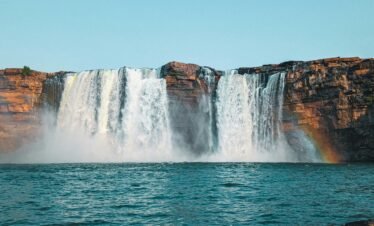
Ramayan Trails UP tour: 7-day Ramayana pilgrimage — Ayodhya, Nandigram, Sita Kund, Prayagraj, Chitrakoot & Bithoor.
Duration
7 Days
₹32,800
Next Departures
October 25, 2026 (Available)October 26, 2026 (Available)October 27, 2026 (Available)
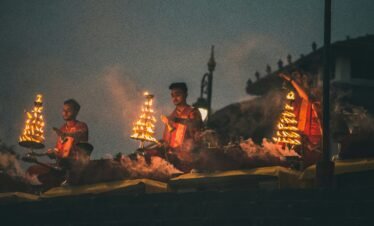
Spiritual Darshan UP Bihar tour: 10-day grand pilgrimage — Varanasi, Bodhgaya, Prayagraj, Chitrakoot, Ayodhya & Lucknow.
Duration
10 Days
₹43,700
Next Departures
October 25, 2026 (Available)October 26, 2026 (Available)October 27, 2026 (Available)
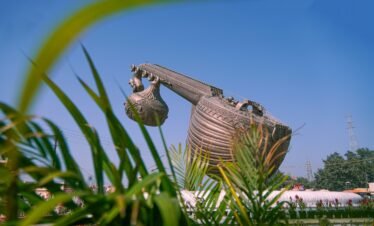
Spiritual Triangle tour: 5-day pilgrimage to Varanasi, Prayagraj & Ayodhya. Ganga Aarti, Triveni Sangam & Ram Janam Bhumi.
Duration
5 Days
₹18,800
Next Departures
October 25, 2026 (Available)October 26, 2026 (Available)October 27, 2026 (Available)