
- 2
- 1
- 1
- 2
Tamil Nadu
Welcome to Tamil Nadu — The Land of Temples & Living Traditions
Tamil Nadu is one of India’s most ancient, culturally magnificent, and spiritually profound states — a land where towering Dravidian temple gopurams rise above bustling sacred cities, classical music and dance traditions have been preserved for over 2,000 years, and the cuisine, language, and arts of the Tamil people represent one of the world’s oldest and most continuous living civilisations. Home to the magnificent Meenakshi Amman Temple at Madurai, the UNESCO World Heritage Brihadeeswarar Temple at Thanjavur, the ancient Shore Temple at Mahabalipuram, the sacred tip of India at Kanyakumari, and the lush Nilgiri hills of Ooty and Kodaikanal, Tamil Nadu offers an extraordinary diversity of experiences — from grand temple architecture and classical Bharatanatyam dance to wildlife safaris in Mudumalai and Anamalai, serene hill station retreats, and pristine coastline along the Coromandel Coast and the Gulf of Mannar. Our Tamil Nadu tour packages are thoughtfully crafted to take you through the spiritual grandeur, artistic legacy, and natural beauty of this extraordinary South Indian state.
Top Places to Visit in Tamil Nadu
- Madurai — The Temple City of the South: One of India’s oldest continuously inhabited cities and the cultural capital of Tamil Nadu, Madurai is dominated by the Meenakshi Amman Temple — a 17-hectare complex with 14 towering gopurams adorned with thousands of painted sculptures, dedicated to Goddess Meenakshi and Lord Sundareswarar. The temple receives over 15,000 visitors daily and is one of the most awe-inspiring religious complexes in the world. The Thirumalai Nayakkar Mahal palace, the Alagar Koil temple, and the vibrant Madurai street food scene are essential companion experiences.
- Thanjavur (Tanjore) — The Rice Bowl of Tamil Nadu: The former capital of the great Chola Empire, Thanjavur is home to the Brihadeeswarar Temple — a UNESCO World Heritage Site and one of the greatest architectural achievements of ancient India. Built by Raja Raja Chola I in 1010 CE, the temple’s vimana (tower) rises 66 metres and was the tallest structure in India at the time of its construction. The shadow of the vimana is said never to fall on the ground — an architectural mystery that continues to intrigue scholars. Thanjavur is also the birthplace of Bharatanatyam dance and the home of exquisite Tanjore painting and bronze casting traditions.
- Mahabalipuram (Mamallapuram) — Ancient Seashore Sculptures: A UNESCO World Heritage Site on the Coromandel Coast just 60 km from Chennai, Mahabalipuram is one of India’s finest open-air museums of ancient rock-cut and structural architecture. The Shore Temple — a 7th–8th century Pallava masterpiece standing on the Bay of Bengal shore — is the most iconic landmark. Arjuna’s Penance — the world’s largest bas-relief carved on a single rock face — the Pancha Rathas (Five Chariots), and the Krishna’s Butter Ball (a giant balancing boulder) are other extraordinary Pallava-era monuments scattered across the town.
- Ooty (Udhagamandalam) — The Queen of Hill Stations: Set at 2,240 metres in the Nilgiri Hills, Ooty is Tamil Nadu’s most celebrated hill station — a landscape of rolling tea gardens, pine-scented forests, and cool, misty valleys. The UNESCO World Heritage Nilgiri Mountain Railway (Toy Train) from Mettupalayam to Ooty — one of India’s most scenic and beloved narrow-gauge journeys — is an experience in itself. The Ooty Lake, Government Botanical Gardens (established 1848), Doddabetta Peak at 2,637 metres — the highest point in the Nilgiris — and the Mudumalai Tiger Reserve at the foothills are key Ooty-region attractions.
- Kanyakumari — The Land’s End of India: The southernmost tip of the Indian subcontinent, Kanyakumari is where the Bay of Bengal, the Arabian Sea, and the Indian Ocean meet — a geographical confluence of extraordinary spiritual and natural significance. The Vivekananda Rock Memorial — set on a small island offshore and accessible by ferry — the Thiruvalluvar Statue at 133 feet, the ancient Bhagavathi Amman Temple, and the famous sunrise and sunset views over three seas simultaneously make Kanyakumari one of India’s most spiritually powerful destinations.
- Rameswaram — Sacred Island Temple Town: Set on Pamban Island connected to the mainland by the magnificent Pamban Bridge, Rameswaram is one of the four sacred Char Dhams of Hinduism and one of India’s most important pilgrimage destinations. The Ramanathaswamy Temple — with its magnificent 1,212-metre-long corridor lined with 36 ornate pillars — is said to have the longest corridor of any temple in the world. Dhanushkodi — the ghost town at the island’s tip where the sea from two sides meets — is a hauntingly beautiful and spiritually significant destination.
- Kodaikanal — The Princess of Hill Stations: Set at 2,133 metres in the Palani Hills, Kodaikanal is Tamil Nadu’s most beloved and romantic hill station — a cool, forested retreat of shola forests, cascading waterfalls, and the star-shaped Kodaikanal Lake. The Bryant Park, Coaker’s Walk with its spectacular valley views, Pillar Rocks, Silver Cascade Falls, and treks to Perumal Peak and Dolphin’s Nose are popular attractions. Kodaikanal is also famous for its homemade chocolates and eucalyptus oil — beloved souvenirs of every visit.
- Mudumalai & Anamalai — Tamil Nadu’s Wildlife Sanctuaries: Tamil Nadu is home to two outstanding wildlife destinations at the foothills of the Nilgiris. Mudumalai Tiger Reserve — part of the Nilgiri Biosphere Reserve and contiguous with Nagarhole and Bandipur — is one of India’s finest tiger and elephant habitats. Anamalai Tiger Reserve (Indira Gandhi Wildlife Sanctuary) in the Coimbatore district covers 958 sq km of dense Western Ghats forest and is home to tigers, leopards, elephants, gaur, and over 300 bird species — making it one of South India’s most biodiverse protected areas.
Best Time to Visit Tamil Nadu
- October–February (Winter — Best Season): The best and most recommended time to visit Tamil Nadu — cool, dry, and pleasant with temperatures between 18°C and 30°C across most of the state. Madurai, Thanjavur, Mahabalipuram, Kanyakumari, and Rameswaram are all ideal during this period. Ooty and Kodaikanal are cool and misty. The northeast monsoon affects Chennai and the northern Coromandel Coast in October–November — most other parts of Tamil Nadu are unaffected. The Pongal harvest festival in January — Tamil Nadu’s most important and joyous cultural celebration — is a wonderful time to experience the state’s living traditions.
- March–May (Summer): Summer is hot and humid in the plains — temperatures reach 38°C–42°C in interior Tamil Nadu. However, Ooty, Kodaikanal, and the Nilgiri Hills are at their most popular and pleasantly cool during summer, making them ideal escapes from the heat for families and honeymooners. Mudumalai and Anamalai wildlife sanctuaries offer good wildlife sightings as animals congregate near water sources. The Chithirai Festival at Madurai in April–May is one of the grandest temple festivals in South India.
- June–September (Southwest Monsoon): The southwest monsoon brings moderate to heavy rainfall to western Tamil Nadu and the Nilgiri Hills from June to September. Ooty and Kodaikanal are lush, misty, and dramatically beautiful in the rain — though landslides can occasionally affect hill roads. The eastern coastal districts — Chennai, Mahabalipuram, Thanjavur, and Madurai — receive significantly less rainfall during the southwest monsoon and remain accessible throughout.
- October–November (Northeast Monsoon): Unlike most of India, Tamil Nadu receives its heaviest rainfall during the northeast monsoon in October and November — which can bring heavy rain and occasional cyclonic storms to Chennai and the northern Coromandel Coast. Kanyakumari and the far south receive less rain. Most temple towns in the interior remain accessible. Travellers should check weather forecasts and plan coastal visits carefully during this window.
How to Reach Tamil Nadu
- By Air: Chennai International Airport (Madras Airport) is the primary gateway to Tamil Nadu — one of India’s busiest airports with direct flights from Delhi, Mumbai, Kolkata, Bangalore, and international destinations including Singapore, Dubai, Kuala Lumpur, and London. Madurai International Airport and Coimbatore International Airport are well-connected to Delhi, Mumbai, and Bangalore, serving as convenient gateways to South and Central Tamil Nadu respectively.
- By Train: Tamil Nadu has one of India’s most extensive and well-developed railway networks. Chennai, Madurai, Coimbatore, Trichy, Salem, and Tirunelveli are all major railway junctions with direct trains from Delhi, Mumbai, Kolkata, Hyderabad, and Bangalore. The UNESCO World Heritage Nilgiri Mountain Railway (Toy Train) from Mettupalayam to Ooty — a rack-and-pinion narrow-gauge marvel — is one of India’s most unique and treasured heritage rail journeys.
- By Road: Tamil Nadu is excellently connected by road to Karnataka, Kerala, and Andhra Pradesh. Chennai is 340 km from Bengaluru (NH 48, 5–6 hours) and 580 km from Hyderabad. TNSTC (Tamil Nadu State Transport Corporation) operates one of India’s largest and most reliable state bus networks, connecting all major cities and temple towns across Tamil Nadu. Luxury private bus operators run comfortable overnight services from Bengaluru, Hyderabad, and Kerala to Chennai, Madurai, and Coimbatore.
Browse our Tamil Nadu tour packages — covering Madurai and Thanjavur temple circuit tours, Mahabalipuram UNESCO heritage packages, Ooty and Kodaikanal hill station holidays, Kanyakumari and Rameswaram pilgrimage packages, Mudumalai and Anamalai wildlife safari tours, and custom family and honeymoon packages across Tamil Nadu — all crafted for a seamless, enriching, and deeply unforgettable journey through one of India’s most ancient and extraordinary states.
Featured

Ooty Kodaikanal tour — 5 days of misty peaks, lush tea gardens & scenic viewpoints across Tamil Nadu's most beloved hill stations. Book now!
Duration
5 Days
₹23,200
Next Departures
July 29, 2026 (Available)July 30, 2026 (Available)July 31, 2026 (Available)
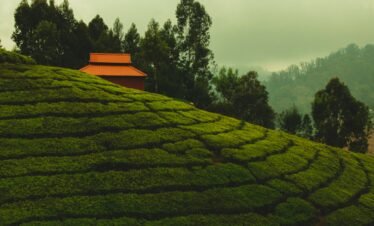
Ooty short break — 3 days of rose gardens, Doddabetta Peak, Coonoor tea estates & scenic Nilgiri Hills from Coimbatore. Book your hill retreat now!
Duration
3 Days
₹13,800
Next Departures
July 29, 2026 (Available)July 30, 2026 (Available)July 31, 2026 (Available)
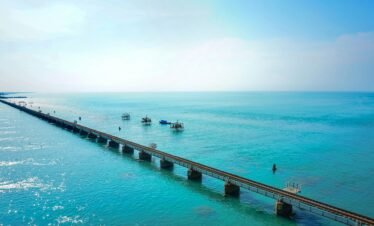
Tamil Nadu tour: discover Madurai, Rameshwaram, Kanyakumari & Kovalam in 6 days of sacred temples, coastal beauty & timeless South Indian culture.
Duration
6 Days
₹27,400
Next Departures
July 29, 2026 (Available)July 30, 2026 (Available)July 31, 2026 (Available)