
- 2
- 1
- 1
- 2
Sikkim
Welcome to Sikkim — India’s Himalayan Jewel
Sikkim is one of India’s most spectacular and pristine Himalayan states — a small but extraordinarily diverse kingdom of snow-capped peaks, sacred Buddhist monasteries, alpine lakes, terraced cardamom farms, and lush rhododendron forests nestled between Nepal, Tibet, and Bhutan. The state is dominated by the mighty Kangchenjunga — the world’s third-highest mountain at 8,586 metres — whose snow-draped peaks preside over the entire landscape and are revered as sacred by the Sikkimese people. From the bustling capital of Gangtok and the emerald Tsomgo Lake at 3,753 metres to the sacred Gurudongmar Lake in North Sikkim at 17,800 feet — one of the highest lakes in the world, and the ancient Rumtek and Pemayangtse monasteries, Sikkim nourishes the soul, rewards the adventurous, and enchants every traveller. India’s first fully organic state and a model of responsible tourism, Sikkim is a destination that leaves every visitor deeply moved. Our Sikkim tour packages are designed to take you through the breathtaking landscapes, living Buddhist heritage, and warm Sikkimese hospitality of this magnificent Himalayan gem.
Top Places to Visit in Sikkim
- Gangtok — The Capital in the Clouds: The vibrant capital of Sikkim, Gangtok sits at 1,650 metres with commanding views of Kangchenjunga on clear days. The MG Road pedestrian promenade, Enchey Monastery, Namgyal Institute of Tibetology, and the Do-Drul Chorten Stupa are key city landmarks. Rumtek Monastery — the largest monastery in Sikkim and the seat of the Kagyu school of Tibetan Buddhism — is just 23 km from Gangtok and is one of the most significant Buddhist sites in all of Asia.
- Tsomgo Lake (Changu Lake) — The Sacred Alpine Lake: Located at 3,753 metres above sea level, just 40 km from Gangtok, Tsomgo Lake is one of India’s most stunning and accessible high-altitude lakes — sacred to the local Sikkimese and Buddhist communities. The lake changes colour with the seasons — deep blue in summer, partially frozen and ethereal white in winter. Yak rides along the lakeshore and a visit to the nearby Baba Harbhajan Singh Temple — dedicated to an Indian Army soldier believed to still guard the Indo-China border — are unmissable experiences.
- North Sikkim — Gurudongmar Lake & Lachung: The most spectacular circuit in Sikkim, North Sikkim takes travellers through dramatic high-altitude landscapes and remote valleys. Gurudongmar Lake — at 5,430 metres (17,800 feet) — is one of the highest and most sacred lakes in the world, revered by both Buddhists and Sikhs. Lachung village at 2,750 metres is the overnight base, famous for its apple orchards and the stunning Yumthang Valley — the Valley of Flowers of Sikkim — which blooms with rhododendrons and alpine wildflowers in April and May.
- Pelling & West Sikkim — Kangchenjunga Viewpoint: Perched at 2,150 metres in West Sikkim, Pelling offers some of the most magnificent unobstructed views of the Kangchenjunga massif available anywhere in India. The Pemayangtse Monastery — one of the oldest and most revered monasteries in Sikkim — the Rabdentse Ruins, the sacred Khecheopalri Lake, and the Singshore Bridge — one of Asia’s highest suspension bridges — are the standout attractions of West Sikkim. India’s longest glass skywalk at Pelling adds a thrilling modern dimension to the visit.
- Namchi & South Sikkim — The Statue Town: The district headquarters of South Sikkim, Namchi is famous for the Samdruptse statue — a 36-metre-tall statue of Guru Padmasambhava — one of the tallest statues of Guru Rinpoche in the world. The Char Dham complex at Siddhesvara Dham — a remarkable replica of India’s four Char Dham pilgrimage sites assembled in a single hilltop location — is a major spiritual and tourism attraction drawing visitors from across India.
- Zuluk & East Sikkim — The Old Silk Route: One of Sikkim’s most breathtaking off-beat destinations, Zuluk lies on the historic Old Silk Route in East Sikkim at 10,000 feet. The 32 hairpin bends of the Zuluk zigzag road — visible from above as they snake dramatically up the mountainside — is one of the most photographed road sequences in India. The Thambi View Point offers panoramic sunrise views over Kangchenjunga on clear mornings, passing through Nathang Valley and Kupup Lake along the way.
- Yuksom & Dzongri Trek — The Trekker’s Gateway: The historic first capital of Sikkim, Yuksom at 1,780 metres is the base camp for the legendary Goecha La trek — one of India’s finest high-altitude trekking routes — reaching Dzongri at 4,030 metres and Goecha La pass at 4,940 metres with dramatic close-up views of Kangchenjunga’s southern face. The Dubdi Monastery at Yuksom — the oldest monastery in Sikkim — makes this a destination of deep historical and spiritual significance as well.
Best Time to Visit Sikkim
- March–May (Spring): One of Sikkim’s most magical seasons — the rhododendron forests erupt in spectacular bloom across the hillsides and Yumthang Valley fills with primulas and alpine wildflowers in April and May. The weather is warm and clear with outstanding mountain views. This is also the best season for the Goecha La and Dzongri treks. The Saga Dawa festival — celebrating the birth, enlightenment, and death of the Buddha — is Sikkim’s most sacred Buddhist festival and falls in May or June.
- October–December (Autumn & Early Winter): The most popular and recommended season for Sikkim — crystal-clear skies, dry weather, and the sharpest Kangchenjunga views of the year. October and November are ideal for North Sikkim (Gurudongmar), Pelling, Zuluk, and the Old Silk Route. Temperatures are cool and pleasant, ranging from 5°C to 18°C in Gangtok. The Losar (Tibetan New Year) celebrations in December add vibrant festivity to the season.
- June–September (Monsoon): Sikkim receives heavy monsoon rainfall from June to September — North Sikkim roads can be closed due to landslides and trekking routes are not recommended during peak monsoon. However, Gangtok and East Sikkim remain largely accessible and the lush green valleys and misty mountain scenery are hauntingly beautiful in the rain. Monastery visits, local culture, and Gangtok sightseeing are perfectly enjoyable during the monsoon months.
- January–February (Winter): The coldest season — Gangtok temperatures drop to 0°C–5°C and Tsomgo Lake is partially or fully frozen, creating ethereal icy landscapes. North Sikkim and Gurudongmar Lake may be inaccessible due to heavy snowfall. Ideal for snow lovers and travellers seeking a peaceful, uncrowded off-season experience in Gangtok and Rumtek. The Maghe Sankranti and Losar festivals bring warmth and colour to the winter season.
How to Reach Sikkim
- By Air: Pakyong Airport — Sikkim’s own airport — is located 35 km from Gangtok at 4,593 feet, making it one of India’s highest commercial airports, with scheduled flights from Kolkata and Delhi. However, the most reliable and widely used air gateway is Bagdogra International Airport near Siliguri in West Bengal — 120 km from Gangtok (3.5 to 4 hours by road) — well-connected to Delhi, Mumbai, Kolkata, Chennai, and Bangalore.
- By Train: Sikkim does not yet have an operational railway line within the state. The nearest major railhead is New Jalpaiguri (NJP) Station near Siliguri — 114 km from Gangtok — well-connected to Delhi, Mumbai, Kolkata, and all major Indian cities. Shared jeeps and private taxis from NJP to Gangtok cover the distance in approximately 3.5 to 4 hours and are the most common onward travel option.
- By Road: Gangtok is connected to Siliguri (114 km), Darjeeling (96 km), and Kalimpong (80 km) by road. The NH 10 (Siliguri–Gangtok Highway) passes through stunning Teesta River gorges and scenic mountain switchbacks — one of the most dramatic approach roads to any Indian hill station. SNT buses and private shared jeeps from Siliguri and NJP are the most affordable road options. For visiting North Sikkim, Zuluk, and Yuksom, hiring a private cab or jeep is essential.
Browse our Sikkim tour packages — covering Gangtok and Tsomgo Lake sightseeing packages, North Sikkim Gurudongmar and Lachung tours, Pelling and West Sikkim Kangchenjunga viewpoint packages, Old Silk Route and Zuluk adventure tours, Goecha La and Dzongri high-altitude trekking packages, and romantic Sikkim honeymoon packages — all crafted for a seamless, safe, and deeply unforgettable journey through India’s most pristine and beautiful Himalayan state.
Featured
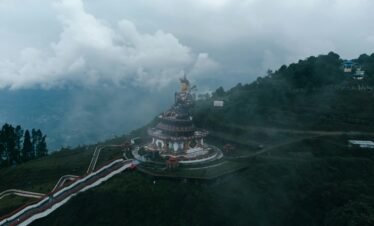
Sikkim Pelling Darjeeling tour with Tsomgo Lake, Skywalk & Tiger Hill. 6-night package from ₹24,699/person. Book your Himalayan adventure now!
Duration
7 Days
₹33,399
Next Departures
October 25, 2026 (Available)October 26, 2026 (Available)October 27, 2026 (Available)
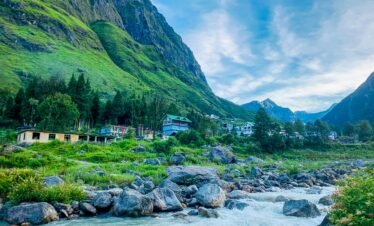
Sikkim complete tour package: Gangtok, Lachung, Pelling & Darjeeling in 9 nights. From ₹37,199/person. Book the ultimate Himalayan adventure!
Duration
10 Days
₹54,999
Next Departures
October 25, 2026 (Available)October 26, 2026 (Available)October 27, 2026 (Available)
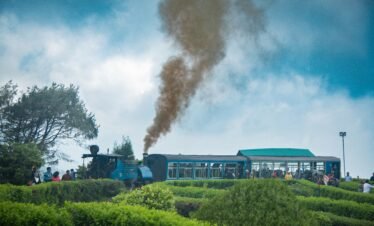
Sikkim Darjeeling tour covering Tsomgo Lake, Tiger Hill & tea estates. Best 4-night package from ₹16,799/person. Book your Himalayan escape today!
Duration
5 Days
₹22,599
Next Departures
October 25, 2026 (Available)October 26, 2026 (Available)October 27, 2026 (Available)