
- 2
- 1
- 1
- 2
Rajasthan
Welcome to Rajasthan — The Land of Kings
Rajasthan is India’s most regal, colourful, and endlessly captivating state — a vast desert kingdom where magnificent forts, marble palaces, ancient havelis, vibrant bazaars, and sweeping Thar Desert landscapes tell the story of centuries of Rajput valour, royal patronage, and living tradition. India’s largest state by area, Rajasthan is home to the Pink City of Jaipur, the City of Lakes — Udaipur, the Blue City of Jodhpur, the Golden City of Jaisalmer, and the sacred pilgrimage town of Pushkar — each a destination of extraordinary character and beauty. The state boasts six UNESCO World Heritage Sites — including the Hill Forts of Rajasthan and the Jantar Mantar observatory — and is home to the Ranthambore Tiger Reserve — one of India’s best places to spot the Royal Bengal Tiger. From the grandeur of Amber Fort and the serenity of Lake Pichola to a camel safari across the Thar Desert dunes at sunset, Rajasthan delivers an experience of India that is unlike anywhere else on earth. Our Rajasthan tour packages are crafted to take you through every glorious chapter of the Land of Kings with comfort, style, and expert local guidance.
Top Places to Visit in Rajasthan
- Jaipur — The Pink City: The capital of Rajasthan and the anchor of India’s famous Golden Triangle, Jaipur is a city of extraordinary royal heritage and vibrant bazaars. The Amber Fort — a UNESCO World Heritage Site — is the most visited attraction in Rajasthan, with its dramatic hilltop setting, ornate Sheesh Mahal (Palace of Mirrors), and iconic elephant ride to the fort gates. The City Palace, Jantar Mantar (UNESCO), the Hawa Mahal (Palace of Winds), Nahargarh Fort, and the bustling Johari Bazaar and Bapu Bazaar round out an unmissable Jaipur itinerary.
- Udaipur — The City of Lakes: Often called the most romantic city in India, Udaipur is built around a series of shimmering lakes in the Aravalli Hills. The City Palace — the largest palace complex in Rajasthan — rises dramatically from the eastern shore of Lake Pichola and offers breathtaking views across the water to the Lake Palace (now a luxury hotel), the Jag Mandir island palace, and the surrounding hills. The Jagdish Temple, Saheliyon ki Bari gardens, Shilpgram craft village, and a sunset boat ride on Lake Pichola are essential Udaipur experiences.
- Jodhpur — The Blue City: The second-largest city in Rajasthan, Jodhpur is dominated by the Mehrangarh Fort — one of the largest and most magnificent forts in India — rising 125 metres above the city on a sheer rocky outcrop. The old city below is famously painted in shades of blue — giving Jodhpur its evocative nickname. The Jaswant Thada memorial, the bustling Sardar Market and Clock Tower bazaar, and the stunning Umaid Bhawan Palace — part royal residence, part heritage hotel — are other must-visit Jodhpur landmarks.
- Jaisalmer — The Golden City: Rising from the heart of the Thar Desert, Jaisalmer is one of India’s most magical and atmospheric destinations. The Jaisalmer Fort — a UNESCO World Heritage Site and one of the world’s largest living forts — is still inhabited by thousands of residents within its golden sandstone walls. The intricately carved Patwon Ki Haveli and Salim Singh Ki Haveli, the Sam Sand Dunes, and an overnight camel safari camping under the stars in the Thar Desert are experiences that define Jaisalmer and linger in the memory of every traveller who visits.
- Ranthambore — Tiger Country: One of India’s finest and most visited national parks, Ranthambore National Park in the Sawai Madhopur district is widely regarded as the best place in India to see wild tigers in their natural habitat. The park’s tigers are famously bold and frequently spotted in open grassland and around the park’s ancient lakes during morning and evening jeep safaris. The dramatic 10th-century Ranthambore Fort — a UNESCO World Heritage Site — rises within the park, adding a unique historical dimension to every safari experience.
- Pushkar — The Sacred Lake Town: One of India’s oldest and most sacred cities, Pushkar is built around the holy Pushkar Lake — surrounded by 52 ghats and over 400 temples. The Brahma Temple at Pushkar — one of very few temples in the world dedicated to Lord Brahma — is the town’s most sacred shrine. Pushkar is also world-famous for the annual Pushkar Camel Fair — one of the world’s largest camel fairs — held every November and drawing traders, pilgrims, and travellers from across India and the globe.
- Bikaner — The Camel Capital: A desert city in northern Rajasthan, Bikaner is famous for its magnificent Junagarh Fort — built in 1593 and never conquered in its entire history. The fort’s interiors are a treasure trove of royal art, armour, and decorative craftsmanship. Bikaner is also the home of the famous Karni Mata Temple (Rat Temple) at Deshnoke — where thousands of sacred rats roam freely — and the National Research Centre on Camel, which hosts the beloved annual Bikaner Camel Festival every January.
- Shekhawati — The Open-Air Art Gallery: The Shekhawati region — encompassing the towns of Mandawa, Nawalgarh, Fatehpur, and Jhunjhunu — is home to India’s most extraordinary concentration of painted havelis. Wealthy merchant families of the 18th and 19th centuries commissioned elaborate frescoes on the walls of their mansions, depicting mythological scenes, historical events, and even early encounters with modern technology like trains and aeroplanes. Often called the open-air art gallery of Rajasthan, Shekhawati is a deeply rewarding and largely uncrowded heritage circuit.
Best Time to Visit Rajasthan
- October–February (Winter — Peak Season): The best and most universally recommended season for Rajasthan — cool, dry, and sunny with temperatures between 8°C and 28°C. Jaipur, Udaipur, Jodhpur, Jaisalmer, Ranthambore, and Pushkar are all at their finest. November is the month of the Pushkar Camel Fair — one of India’s most spectacular festivals. December and January bring crisp, clear days ideal for fort visits, desert safaris, and wildlife at Ranthambore. February hosts the Jaipur Literature Festival — the world’s largest free literary festival — and the vibrant Desert Festival at Jaisalmer.
- March–April (Spring): A pleasant shoulder season — temperatures are warming but still comfortable, crowds thin after the peak season, and hotel rates drop significantly making it excellent value. The Holi festival — celebrated with legendary fervour in Jaipur, Udaipur, and Pushkar — falls in March and is one of the most memorable times to be in Rajasthan. Ranthambore is excellent for tiger sightings in March and April as the dry heat concentrates wildlife at waterholes.
- May–June (Summer): Summer in Rajasthan is intense — temperatures regularly reach 42°C–48°C in the desert regions. Most leisure tourists avoid May and June. However, the royal palaces, museums, and heritage hotels offer a cool, atmospheric retreat for travellers who do visit. Ranthambore closes for the monsoon from July so June is the last opportunity for wildlife safaris before the park shuts.
- July–September (Monsoon): The monsoon brings welcome relief from the heat — Rajasthan receives moderate rainfall, the landscape turns surprisingly green, and the forts and palaces take on a dramatic, moody monsoon atmosphere that photographers love. Most tourist infrastructure remains open. Udaipur and the Aravalli region are particularly beautiful in the monsoon with lush hills and full lakes. Ranthambore National Park is closed from July to September.
How to Reach Rajasthan
- By Air: Rajasthan has several well-connected airports. Jaipur International Airport is the busiest and most well-connected — with direct flights from Delhi, Mumbai, Bengaluru, Hyderabad, Kolkata, and international destinations. Udaipur (Maharana Pratap Airport), Jodhpur Airport, and Jaisalmer Airport are also served by scheduled domestic flights from Delhi and Mumbai. For Ranthambore, the nearest airport is Jaipur (180 km) or Agra (155 km).
- By Train: Rajasthan has an excellent railway network. Jaipur, Jodhpur, Udaipur, Bikaner, Ajmer (for Pushkar), and Sawai Madhopur (for Ranthambore) are all major railway junctions with direct trains from Delhi, Mumbai, and other major cities. The Palace on Wheels — India’s most famous luxury tourist train — operates a week-long royal circuit through Rajasthan’s finest destinations and is one of the most celebrated train journeys in the world.
- By Road: Rajasthan is well-connected by road from Delhi and other northern cities. Jaipur is just 280 km from Delhi (4–5 hours on NH 48) — making it one of the most popular and accessible weekend road trips from the capital. RSRTC (Rajasthan State Road Transport Corporation) operates an extensive network of Volvo and AC buses connecting Jaipur, Udaipur, Jodhpur, Jaisalmer, and Ajmer to Delhi, Mumbai, and other cities. Within Rajasthan, hiring a private cab is the most flexible and comfortable way to explore multiple destinations.
Browse our Rajasthan tour packages — covering Golden Triangle extensions to Jaipur, royal Udaipur and Jodhpur heritage tours, Jaisalmer desert safari and camping packages, Ranthambore tiger safari packages, Pushkar pilgrimage and camel fair tours, Shekhawati haveli heritage circuits, and custom luxury and honeymoon holidays in Rajasthan’s finest palace hotels — all crafted for a seamless, regal, and deeply unforgettable journey through the Land of Kings.
Featured
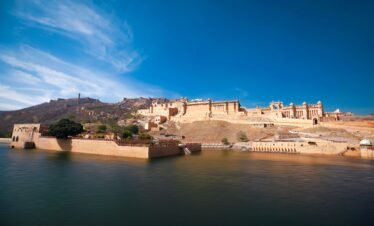
Golden Triangle tour — 6 days covering Delhi’s Mughal monuments, the Taj Mahal in Agra & Jaipur’s royal forts. Book India’s most iconic heritage journey!
Duration
6 Days
₹26,600
Next Departures
October 25, 2026 (Available)October 26, 2026 (Available)October 27, 2026 (Available)
Featured
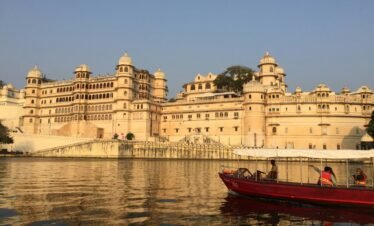
Udaipur Mount Abu tour — 4 days of lake palaces, Monsoon Palace sunsets & cool Aravalli hill serenity in Rajasthan. Book your royal escape now!
Rajasthan
Easy
Duration
4 Days
₹15,400
Next Departures
October 25, 2026 (Available)October 26, 2026 (Available)October 27, 2026 (Available)
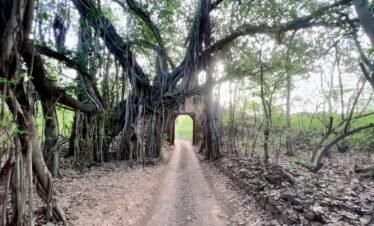
Ranthambore tiger safari — 3-day wildlife tour in India’s most famous tiger reserve. Morning safaris, expert naturalists, jungle lodges. Book now!
Duration
3 Days
₹14,400
Next Departures
October 25, 2026 (Available)October 26, 2026 (Available)October 27, 2026 (Available)
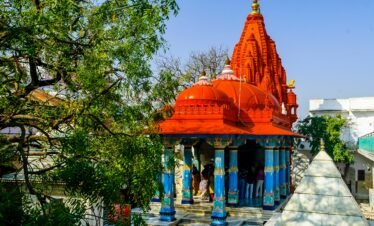
Rajasthan religious tour — 4 days of divine darshan at Khatu Shyam Ji, Salasar Balaji, Brahma Temple Pushkar & Jaipur’s sacred temples. Book now!
Duration
4 Days
₹18,400
Next Departures
October 25, 2026 (Available)October 26, 2026 (Available)October 27, 2026 (Available)
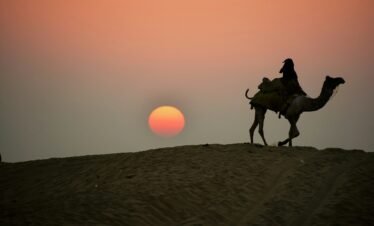
Royal Rajasthan tour — 12 days across Jaipur, Pushkar, Udaipur, Mount Abu, Jodhpur, Jaisalmer & Bikaner. Forts, deserts, lakes & temples. Book now!
Duration
12 Days
₹42,300
Next Departures
October 25, 2026 (Available)October 26, 2026 (Available)October 27, 2026 (Available)
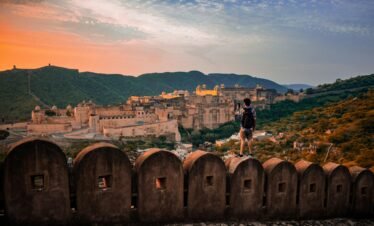
Jaipur Jodhpur Jaisalmer tour — 6 days of royal forts, blue-city lanes, golden havelis & a magical camel safari night at Sam Sand Dunes. Book...
Rajasthan
Easy
Duration
6 Days
₹22,200
Next Departures
October 25, 2026 (Available)October 26, 2026 (Available)October 27, 2026 (Available)