
- 2
- 1
- 1
- 2
Ladakh
Welcome to Ladakh — The Land of High Passes
Ladakh is India’s most dramatic and awe-inspiring destination — a vast, high-altitude cold desert in the northernmost corner of the country, where turquoise lakes shimmer at 4,000 metres, ancient Buddhist monasteries cling to vertical cliffsides, barren mountain ranges glow gold and red at sunset, and the sky feels impossibly close. Straddling the mighty Himalayan and Karakoram ranges, Ladakh is a land of extraordinary extremes — of scorching summer days and bone-chilling winters, of breathtaking passes and impossibly serene valleys. From the cobalt-blue waters of Pangong Tso — one of the world’s highest saltwater lakes at 4,350 metres — to the rippling sand dunes of Nubra Valley, the prayer-flag-draped passes of Khardung La, the royal heritage of Leh Palace, and the living Buddhist culture of monasteries like Hemis, Thiksey, and Diskit, Ladakh is a destination that transforms every traveller who visits it. Our Ladakh tour packages are carefully designed to take you through this magnificent landscape with safety, comfort, and the deep local knowledge that Ladakh demands.
Top Places to Visit in Ladakh
- Leh — The Capital of Ladakh: The bustling heart of Ladakh, Leh city sits at 3,524 metres above sea level and serves as the base for all Ladakh travel. The 17th-century Leh Palace — modelled on the Potala Palace in Lhasa — towers over the old town. The Shanti Stupa, Leh Market, Hall of Fame Museum, and the atmospheric old quarter with its labyrinthine lanes are essential first-day experiences. Most visitors spend their first two days in Leh acclimatising to the altitude before venturing further into the region.
- Pangong Tso — The Jewel of Ladakh: Perhaps the single most iconic sight in all of Ladakh, Pangong Tso stretches 134 km from India into Tibet — with approximately 40% of the lake lying in India. Sitting at 4,350 metres, the lake is famous for its extraordinary colour — shifting from sapphire blue to turquoise to deep green depending on the light and time of day. The dramatic mountains rising directly from the lakeshore create one of the most photographed landscapes in India. An overnight stay by the lakeside in a tent camp is an experience that stays with travellers for a lifetime.
- Nubra Valley — The Valley of Flowers: Reached via the legendary Khardung La Pass — at 5,359 metres, one of the world’s highest motorable passes — Nubra Valley is a stunning high-altitude desert valley where the Shyok and Nubra rivers meet. The surreal landscape of sand dunes at Hunder — where double-humped Bactrian camels roam freely — set against snow-capped Himalayan peaks is one of Ladakh’s most extraordinary and unexpected sights. The Diskit Monastery and its 32-metre Maitreya Buddha statue overlooking the valley are the spiritual highlights of Nubra.
- Monasteries of Ladakh — Living Buddhist Heritage: Ladakh is home to some of the world’s most remarkable and ancient Buddhist monasteries. Hemis Monastery — the largest and wealthiest monastery in Ladakh — is home to the famous Hemis Festival held every June-July, one of the most spectacular masked dance festivals in the Himalayan region. Thiksey Monastery, perched dramatically on a hilltop, is often called the ‘Potala of Ladakh’. Alchi Monastery in the Indus Valley contains 1,000-year-old murals and is one of Ladakh’s most treasured heritage sites.
- Zanskar Valley — The Ultimate Ladakh Adventure: One of the most remote and breathtaking valleys in the world, Zanskar is accessible by road only during summer and is cut off from the outside world for most of the winter. The legendary Chadar Trek — the frozen Zanskar River trek done in January and February — is considered one of India’s most extreme and extraordinary winter trekking experiences. The Phugtal Monastery — built into a natural cave in a sheer cliff face — is one of the most dramatic and isolated monasteries in Asia.
- Tso Moriri & Tso Kar — The Hidden Lakes: While Pangong Tso draws the crowds, the Tso Moriri Lake in the Changthang plateau at 4,522 metres offers a far more remote and unspoiled high-altitude lake experience. A Ramsar Wetland of International Importance, Tso Moriri is a breeding ground for the rare Bar-headed geese and the black-necked crane. Tso Kar — the white lake — nearby is famous for its salt deposits and migratory birds. Both lakes are best visited as part of the Changthang Wildlife Sanctuary circuit.
- Sham Valley & Indus Valley — Ladakh for First Timers: Often called the ‘Baby Trek’ of Ladakh, the Sham Valley trek along the Indus River is the ideal introduction to Ladakh trekking — a gentle, relatively low-altitude route through apricot-growing villages, ancient monasteries, and traditional Ladakhi homes. The villages of Likir, Nimmu, Alchi, and Magnetic Hill are highlights of the Indus Valley drive — one of the most scenic road journeys in all of Ladakh.
Best Time to Visit Ladakh
- June–September (Summer — Peak Season): The best and most recommended time to visit Ladakh — roads are open, passes are accessible, and weather is clear and sunny. The Manali-Leh and Srinagar-Leh highways are both open, Pangong Tso and Nubra Valley are fully accessible, and temperatures are pleasant between 15°C and 28°C during the day. July and August see the Hemis Festival and maximum tourist activity. The ideal season for first-time visitors, bike trips, and family holidays.
- October–November (Autumn): An excellent shoulder season with crystal-clear skies and dramatic autumn colours across the valleys. Crowds thin significantly after September, making it a rewarding time for photography and peaceful exploration. Pangong Tso begins to freeze partially by late November. The Manali-Leh Highway typically closes in late October with the first heavy snowfall.
- January–February (Winter — Chadar Trek Season): Ladakh in winter is harsh — temperatures drop to -20°C to -30°C in Leh — but also profoundly magical. The famous Chadar Trek on the frozen Zanskar River is possible only during these months and draws adventure trekkers from across the world. Leh city remains accessible by air throughout winter. The Losar (Ladakhi New Year) celebrations in January or February add a vibrant cultural dimension to a winter visit.
- March–May (Spring): A transitional season — the Srinagar-Leh Highway typically opens in late April or early May, and the apricot trees of the Indus and Nubra valleys bloom in breathtaking pink and white from late March to early April. The Manali-Leh Highway opens in late May. A quieter, less-crowded time to visit for those who plan their logistics carefully and acclimatise properly before venturing to high-altitude destinations.
How to Reach Ladakh
- By Air: Kushok Bakula Rimpochee Airport in Leh is the primary gateway to Ladakh, with daily direct flights from Delhi (1 hour 15 minutes), and regular flights from Srinagar, Mumbai, and Chandigarh. Due to the high altitude and mountain terrain, flights can be affected by weather — early morning flights have the best on-time departure record as afternoon winds and clouds can cause delays or diversions. Booking flights well in advance during peak season (June–September) is strongly recommended.
- By Road — Manali-Leh Highway: The Manali-Leh Highway — 479 km of one of the world’s most spectacular high-altitude roads — is open from late May to late October. Passing through five high mountain passes including Rohtang Pass, Baralacha La, Nakee La, Lachulung La, and Tanglang La (at 5,328 metres), this two-day road journey via Jispa and Sarchu is the classic overland route to Leh and one of the greatest road trips in the world.
- By Road — Srinagar-Leh Highway: The Srinagar-Leh Highway — 434 km through the stunning Sindh Valley and Zoji La Pass — is the other main overland route to Ladakh, open from approximately late April to November. Passing through Sonamarg, Zoji La (3,528 metres), Kargil, and the Indus Valley, this route is more accessible in the early season than the Manali-Leh Highway and offers a completely different but equally spectacular Himalayan landscape.
Browse our Ladakh tour packages — covering Leh-Ladakh sightseeing packages, Pangong Lake and Nubra Valley tours, Zanskar Valley expeditions, Chadar Trek winter packages, Ladakh bike trip packages on the Manali-Leh Highway, monastery circuit tours, and custom family and honeymoon holidays in Ladakh — all designed for a seamless, safe, and deeply unforgettable journey through India’s most extraordinary high-altitude destination.
Featured
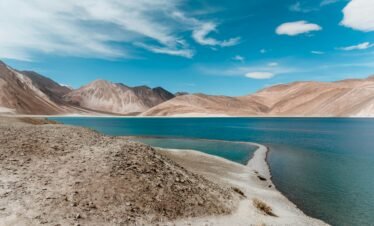
Leh Ladakh tour covering Nubra Valley & Pangong Lake in 6 days. Khardung La, monasteries & stunning Himalayan landscapes.
Duration
6 Days
₹27,999
Next Departures
October 24, 2026 (Available)October 25, 2026 (Available)October 26, 2026 (Available)
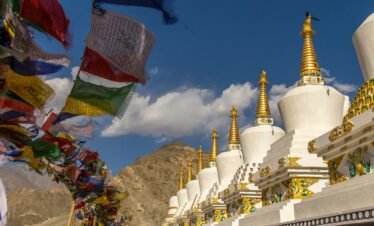
Leh Ladakh tour covering Nubra Valley, Turtuk village & Pangong Lake in 7 days. Drive Khardung La & Chang La
Duration
7 Days
₹33,199
Next Departures
October 24, 2026 (Available)October 25, 2026 (Available)October 26, 2026 (Available)