
- 2
- 1
- 1
- 2
Goa
Welcome to Goa — India’s Beach Paradise
Goa is India’s most beloved and internationally celebrated beach destination — a small but extraordinarily vibrant former Portuguese territory on the Konkan coast where sun-drenched beaches, centuries-old churches, spice-scented forests, and a uniquely laid-back Indo-Portuguese culture come together in a way found nowhere else in India. From the buzzing North Goa beach strip of Baga, Calangute, and Anjuna to the serene coves of South Goa’s Palolem and Agonda, Goa offers an experience for every kind of traveller. The state is home to the UNESCO World Heritage Churches and Convents of Old Goa — once known as the ‘Rome of the Orient’ — and the thundering Dudhsagar Falls — one of India’s tallest waterfalls at 310 metres. Our Goa tour packages are crafted to help you discover every side of this extraordinary destination — from its famous beaches and vibrant nightlife to its colonial heritage, hidden villages, and natural wonders.
Top Places to Visit in Goa
- North Goa Beaches — Baga, Calangute & Anjuna: The heartbeat of Goa’s famous beach scene, North Goa is a lively strip of golden beaches, beach shacks, water sports, and vibrant nightlife. Calangute — the largest beach in Goa — and the adjacent Baga Beach are the most popular destinations for families and first-time visitors. Anjuna Beach, famous for its legendary Wednesday Flea Market, and Vagator Beach with its dramatic red cliffs are neighbouring highlights of the North Goa coast.
- South Goa Beaches — Palolem, Agonda & Colva: A world apart from the bustle of the north, South Goa attracts travellers seeking quieter and more naturally beautiful beaches. Palolem Beach — a stunning crescent-shaped bay flanked by rocky headlands — is widely regarded as one of the most beautiful beaches in India. Agonda is one of Goa’s most pristine and peaceful stretches, popular with yoga retreaters. Colva Beach is South Goa’s longest and most accessible beach, backed by a charming fishing village.
- Old Goa — The Rome of the Orient: A UNESCO World Heritage Site, Old Goa is a remarkable collection of 16th and 17th-century Portuguese baroque churches set in a forested landscape 10 km from Panaji. The Basilica of Bom Jesus houses the mortal remains of St. Francis Xavier, patron saint of Goa — and is the most sacred and visited church. The Se Cathedral — the largest church in Asia — and the Church of St. Francis of Assisi are other extraordinary monuments of Goa’s colonial golden age.
- Panaji (Panjim) — Goa’s Charming Capital: The compact and walkable capital of Goa, Panaji is a city of colourful Portuguese-era houses and tree-lined promenades along the Mandovi River. The heritage neighbourhood of Fontainhas — Goa’s Latin Quarter — with its narrow lanes, tiled houses, and Catholic chapels is the most atmospheric part of the city. The Immaculate Conception Church, the Goa State Museum, and the evening casino cruises on the Mandovi River are popular Panaji experiences.
- Dudhsagar Falls — The Sea of Milk: Set deep in the Bhagwan Mahaveer Wildlife Sanctuary on the Goa-Karnataka border, Dudhsagar Falls cascades 310 metres in four tiers — one of India’s tallest and most dramatic waterfalls. The falls are best reached by jeep safari through the jungle from Mollem, or by the famous Konkan Railway train ride where the tracks pass directly alongside the cascading waters. Visit between July and October for the most powerful flow.
- Spice Plantations — The Fragrant Heart of Goa: Goa’s lush interior is home to working spice plantations offering guided tours through gardens of cardamom, pepper, vanilla, nutmeg, and cinnamon. The Sahakari Spice Farm, Tropical Spice Plantation, and Savoi Plantation in the Ponda area are among the most popular — offering an authentic taste of Goa beyond the beach, complete with traditional Goan lunch and cultural performances.
- Arambol & North Goa’s Bohemian Beaches: At the northern tip of Goa’s coastline, Arambol Beach is the cultural hub of Goa’s alternative and backpacker travel scene — a long stretch of sand backed by cliff-top cafes, drum circles, yoga studios, and a freshwater lagoon. Mandrem and Ashwem beaches are among Goa’s most wide, white, and unspoiled northern beaches, particularly popular with long-stay travellers and the wellness community.
- Chapora Fort & Vagator — History Meets Scenery: The iconic Chapora Fort — perched 150 metres above Vagator Beach with sweeping Arabian Sea views — became globally famous after featuring in the Bollywood film Dil Chahta Hai. The fort dates to the Portuguese era and remains one of Goa’s most photographed viewpoints. The twin beaches of Big Vagator and Little Vagator below are popular for their dramatic red cliff backdrop and lively nightlife.
Best Time to Visit Goa
- November–February (Peak Season — Winter): The best and most recommended time to visit Goa — cool, dry, and sunny with temperatures between 20°C and 32°C. The sea is calm and ideal for swimming and water sports. The famous Goa Carnival in February — a spectacular four-day Portuguese-legacy festival of music, dance, and colourful street parades — is one of India’s most joyful celebrations. New Year’s Eve in Goa is legendary, drawing visitors from across India and the world.
- March–May (Summer): Temperatures climb to 32°C–38°C but hotel rates drop significantly and beaches are far less crowded — making it an excellent budget travel window. Water sports continue through April. Most beach shacks close by mid-May. A good time for exploring Old Goa, spice plantations, and the Goan interior.
- June–September (Monsoon): Goa’s monsoon is heavy and dramatic. Dudhsagar Falls is at its most spectacular and powerful from July to September. Most beach shacks and water sports operators close for the season. The landscape turns a brilliant, lush green and Goa’s interior spice farms and wildlife sanctuaries are at their most atmospheric. A growing number of travellers are discovering monsoon Goa for its quieter, greener, and more budget-friendly character.
- October (Shoulder Season): October marks the end of the monsoon — beaches begin reopening and the tourist season slowly restarts. Dudhsagar Falls is still powerful and the landscape is at its most lush. Hotel rates are low and the peak-season crowds have not yet arrived — making late October an excellent window for value-conscious travellers.
How to Reach Goa
- By Air: Goa International Airport (Dabolim Airport) in South Goa is the primary gateway, well-connected to Delhi, Mumbai, Bangalore, Hyderabad, Kolkata, and Chennai. The new Manohar International Airport at Mopa in North Goa — inaugurated in January 2023 — offers additional connectivity and significantly reduces travel time to North Goa beaches. International charter flights from the UK, Germany, and Russia operate during peak season from October to March.
- By Train: Goa is served by Madgaon (Margao) Junction in South Goa and Thivim Station in North Goa, both on the scenic Konkan Railway line — one of India’s most beautiful coastal train routes. Direct trains connect Goa to Mumbai (8–9 hours), Delhi (24–26 hours via Rajdhani Express), Bengaluru (9–10 hours), and Chennai (12 hours).
- By Road: Goa is well-connected by road to Mumbai (600 km), Bengaluru (570 km), and Pune (450 km). Luxury Volvo and AC sleeper buses from Mumbai, Pune, and Bengaluru are among the most popular and affordable options for reaching Goa. Within Goa, renting a scooter or motorcycle is the most popular and convenient way to explore beaches and the countryside independently.
Browse our Goa tour packages — covering North Goa beach and nightlife packages, South Goa quiet beach and wellness holidays, Goa honeymoon packages, Old Goa heritage tours, Dudhsagar Falls day trips, Goa Carnival special packages, family-friendly Goa holidays, and budget backpacker packages — all crafted for a seamless, sun-soaked, and unforgettable journey through India’s most beloved beach destination.
Featured
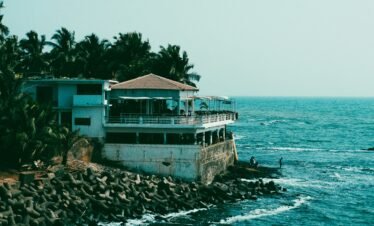
Goa honeymoon package — 4 days of luxury hotel, North & South Goa beaches, Mandovi dinner cruise & candlelight dinner. Book now!
Duration
4 Days
₹14,999
Next Departures
October 27, 2026 (Available)October 28, 2026 (Available)October 29, 2026 (Available)
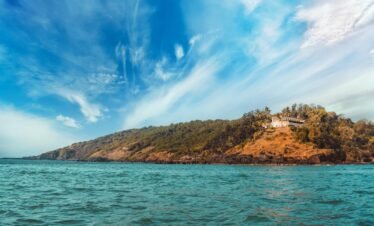
Budget Goa package — 3 days in a luxury hotel with North & South Goa sightseeing by private car, breakfast, pool & Wi-Fi. Book now!
Duration
3 Days
₹9,599
Next Departures
October 27, 2026 (Available)October 28, 2026 (Available)October 29, 2026 (Available)
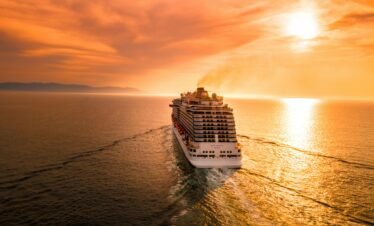
Goa group package — 4 days of all meals, Goan Fish Thali, Spice Plantation lunch, Mandovi sunset cruise & full sightseeing. Book now!
Duration
4 Days
₹17,299
Next Departures
October 27, 2026 (Available)October 28, 2026 (Available)October 29, 2026 (Available)